
Hiring Indian Developers for FinTech: A 2026 Guide
Find and hire skilled Indian developers for your FinTech project with our expert guide, covering benefits, recruitment strategies, and best practices for 2026.
Vayqube Team
FinTech compliance and secure systems engineering
Introduction to FinTech Industry Growth
The FinTech industry has experienced unprecedented growth in recent years, driven by advancements in technology and increasing demand for digital financial services. This growth is expected to continue, with the global FinTech market projected to reach $124.3 billion by 2025. As the industry expands, the need for skilled developers who can design, develop, and implement innovative financial solutions has become more pressing.
Importance of Skilled Developers
Skilled developers play a crucial role in the FinTech industry, as they are responsible for creating secure, efficient, and user-friendly financial systems. The complexity of FinTech products requires developers with expertise in areas such as blockchain, artificial intelligence, and cybersecurity. Furthermore, developers must be able to navigate the regulatory landscape and ensure compliance with relevant laws and regulations.
Hiring Indian Developers
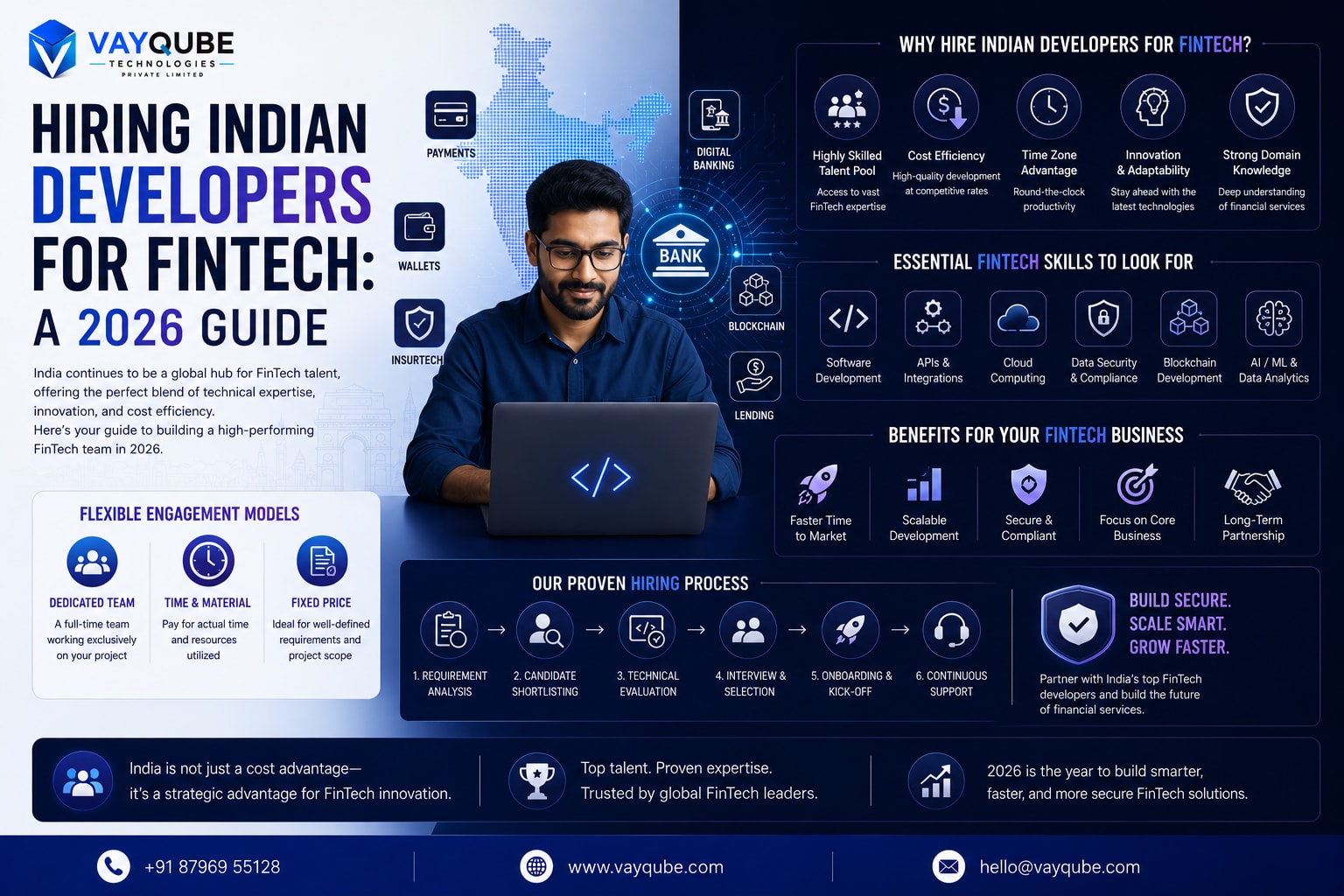
India has emerged as a hub for skilled developers, with a large pool of talented professionals who possess the necessary expertise to drive FinTech innovation. Hiring Indian developers can be a strategic move for FinTech companies looking to tap into this talent pool. Indian developers offer a unique combination of technical skills, cultural adaptability, and cost-effectiveness, making them an attractive option for companies seeking to expand their development teams.
Some key benefits of hiring Indian developers include:
- Access to a large pool of skilled professionals with expertise in emerging technologies
- Cost savings compared to hiring developers in other parts of the world
- Cultural adaptability and ability to work with global teams
- Strong work ethic and commitment to delivering high-quality results
As the FinTech industry continues to evolve, the demand for skilled developers will only increase. By hiring Indian developers, FinTech companies can gain a competitive edge and stay ahead of the curve in terms of innovation and technological advancements. In the next section, we will explore the process of hiring Indian developers and the key considerations that FinTech companies should keep in mind.
Why It Matters
Outsourcing development to India can have a significant impact on a FinTech company's bottom line and overall competitiveness.
Cost Savings and Efficiency Gains
One of the primary benefits of outsourcing development to India is the potential for cost savings and efficiency gains. By leveraging India's large pool of skilled developers, FinTech companies can reduce their labor costs and improve their overall operational efficiency. This can be achieved through a variety of models, including project-based outsourcing, dedicated teams, and staff augmentation.
- Reduced labor costs: India has a lower cost of living and a highly competitive labor market, making it an attractive destination for companies looking to reduce their labor costs.
- Improved efficiency: Indian developers are known for their strong work ethic and attention to detail, which can lead to improved efficiency and productivity.
- Access to specialized skills: India has a large pool of developers with specialized skills in areas such as blockchain, artificial intelligence, and data analytics.
Access to Skilled Talent Pool
Another key benefit of outsourcing development to India is access to a skilled and talented pool of developers. India has a highly developed education system and a strong culture of innovation and entrepreneurship, which has produced a large and talented pool of developers.
- Large pool of skilled developers: India has a vast pool of skilled developers, with many having experience working on complex FinTech projects.
- Strong technical skills: Indian developers are known for their strong technical skills, including proficiency in a range of programming languages and technologies.
- Adaptability and flexibility: Indian developers are often highly adaptable and flexible, making them well-suited to working on complex and dynamic FinTech projects.
Implementation Considerations
When outsourcing development to India, there are several implementation considerations that FinTech companies should keep in mind. These include factors such as communication, project management, and cultural differences.
- Communication: Effective communication is critical when outsourcing development to India, and FinTech companies should ensure that they have a clear and effective communication strategy in place.
- Project management: FinTech companies should also have a robust project management framework in place, to ensure that projects are delivered on time and to budget.
- Cultural differences: Finally, FinTech companies should be aware of cultural differences and ensure that they are sensitive to these differences when working with Indian developers.
Core Architecture
To build a robust FinTech platform, it's essential to have a solid understanding of the core architecture requirements. FinTech applications typically involve complex transactions, sensitive data, and high traffic, making scalability, security, and reliability crucial.
Architecture Requirements
The core architecture of a FinTech platform should be designed to handle:
- High volumes of transactions and data
- Stringent security and compliance requirements
- Seamless integration with various payment gateways and third-party services
- Scalability to accommodate growing user bases and traffic
- Real-time data processing and analytics
Key Technologies and Tools
Indian developers are well-versed in a range of technologies and tools commonly used in FinTech development, including:
- Programming languages such as Java, Python, and JavaScript
- Frameworks like Spring, Django, and React
- Databases like MySQL, MongoDB, and PostgreSQL
- Cloud platforms like AWS, Azure, and Google Cloud
- APIs and microservices architecture
Indian Developers' Expertise
Indian developers have a strong foundation in computer science and software engineering, making them well-suited to handle the complexities of FinTech development. Their expertise in relevant technologies and tools enables them to design and implement scalable, secure, and reliable FinTech architectures. Many Indian developers have experience working with:
- Payment gateways like PayPal, Stripe, and Paytm
- Blockchain and cryptocurrency technologies
- Machine learning and artificial intelligence for fraud detection and risk assessment
- Data analytics and visualization tools like Tableau and Power BI
With their technical expertise and understanding of FinTech architecture requirements, Indian developers can help build robust and scalable FinTech platforms that meet the needs of modern businesses and consumers.
Implementation Strategy
When implementing a FinTech platform, it's essential to consider factors like scalability, security, and compliance. Indian developers can help develop a tailored implementation strategy that meets the specific needs of the project, including:
- Defining the technical requirements and architecture
- Selecting the appropriate technologies and tools
- Designing and implementing the platform's core features and functionality
- Conducting thorough testing and quality assurance
- Ensuring compliance with relevant regulations and standards
By leveraging the expertise of Indian developers, businesses can build FinTech platforms that are tailored to their specific needs and goals, and that can help them stay competitive in a rapidly evolving market.
Business Benefits
The decision to hire Indian developers for FinTech projects can have a significant impact on a company's bottom line and overall success.
Improved Time-to-Market
Hiring Indian developers can significantly improve the time-to-market for FinTech products. With a large pool of skilled and experienced developers, companies can quickly assemble a team that can deliver high-quality products on tight deadlines. This is particularly important in the FinTech industry, where companies need to be able to respond quickly to changing market conditions and customer needs.
Enhanced Scalability and Reliability
Indian developers can also help FinTech companies enhance the scalability and reliability of their products. With expertise in cloud computing, cybersecurity, and data analytics, Indian developers can design and implement systems that can handle large volumes of traffic and data, while also ensuring the security and integrity of sensitive financial information.
Increased Competitiveness through Innovation
By hiring Indian developers, FinTech companies can also gain a competitive edge through innovation. Indian developers are known for their creativity and ability to think outside the box, which can lead to the development of new and innovative FinTech products and services. This can help companies differentiate themselves from their competitors and attract new customers.
Some of the key benefits of hiring Indian developers for FinTech projects include:
- Access to a large pool of skilled and experienced developers
- Improved time-to-market for FinTech products
- Enhanced scalability and reliability of FinTech systems
- Increased competitiveness through innovation
- Cost savings compared to hiring developers in other parts of the world
Overall, hiring Indian developers can be a strategic move for FinTech companies looking to improve their time-to-market, scalability, and competitiveness. With the right team in place, companies can develop and launch innovative FinTech products and services that meet the evolving needs of their customers.
Real-World Examples
Many FinTech companies have already successfully hired Indian developers to work on their projects. For example, a leading mobile payments company hired a team of Indian developers to design and implement a new payment processing system. The system was developed and launched in just six months, and has since become one of the most popular payment processing systems in the country.
Production Considerations
When hiring Indian developers for FinTech projects, there are several production considerations that companies should keep in mind. These include ensuring that the developers have the necessary skills and experience, establishing clear communication channels and project management processes, and ensuring that the developers are familiar with the company's technology stack and development methodologies. By carefully considering these factors, companies can ensure that their FinTech projects are completed on time, within budget, and to the required quality standards.
Scalability
To achieve scalability in FinTech development, it's essential to consider the flexibility and adaptability of your development team. Hiring Indian developers can be a strategic move, given their expertise and the country's large talent pool.
Scaling FinTech Development Teams
Scaling FinTech development teams with Indian talent involves understanding the various engagement models available. These models can be tailored to meet the specific needs of your project, whether it's a short-term requirement or a long-term partnership. Some common engagement models include:
- Project-based engagement: Ideal for projects with well-defined requirements and timelines.
- Dedicated team engagement: Suitable for ongoing projects that require a consistent team effort.
- Hybrid engagement: A combination of project-based and dedicated team engagement, offering flexibility and scalability.
Flexible Engagement Models
Flexible engagement models are crucial for varying project needs. Indian developers can be hired on a project basis, allowing you to scale up or down as required. This flexibility is particularly useful in FinTech, where project requirements can change rapidly. By leveraging flexible engagement models, you can ensure that your development team is always aligned with your project's needs.
Ensuring Scalability in FinTech Infrastructure
Ensuring scalability in FinTech infrastructure is critical for handling increased traffic, transactions, or data volume. Indian developers can help design and implement scalable infrastructure solutions, such as cloud-based services, microservices architecture, and containerization. By prioritizing scalability in your FinTech infrastructure, you can ensure that your application or system can handle growth and increased demand without compromising performance.
Real-World Examples
Real-world examples of scalable FinTech infrastructure include:
- Payment gateways that can handle high volumes of transactions per second
- Mobile wallets that can support millions of users
- Digital banking platforms that can provide seamless user experiences despite high traffic
By understanding the importance of scalability in FinTech development and infrastructure, you can make informed decisions when hiring Indian developers and designing your development strategy. This approach will help you build a robust, scalable, and efficient FinTech system that can support your business growth and success.
Production Considerations
When implementing scalable FinTech solutions, it's essential to consider production readiness and the potential impact on your business. This includes:
- Ensuring compliance with regulatory requirements
- Implementing robust security measures
- Conducting thorough testing and quality assurance
- Developing a reliable deployment strategy
By prioritizing production considerations, you can ensure that your scalable FinTech solution is not only efficient but also reliable, secure, and compliant with industry standards.
Implementation Challenges
When hiring Indian developers for FinTech projects, several implementation challenges can arise. These challenges can impact the success of the project and must be addressed proactively.
Cultural and Communication Differences
Cultural and communication differences can lead to misunderstandings and misinterpretations. Indian developers may have different work ethics, communication styles, and expectations, which can affect collaboration and teamwork. For instance:
- Different attitudes towards hierarchy and authority
- Variations in communication styles, such as directness and assertiveness
- Different expectations around work-life balance and flexibility To overcome these differences, it's essential to establish clear communication channels, define project goals and expectations, and foster a culture of openness and transparency.
Time Zone and Logistical Challenges
Time zone differences between India and other countries can create logistical challenges. These challenges can impact real-time communication, collaboration, and project timelines. Some of the challenges include:
- Coordinating meetings and discussions across different time zones
- Managing project deadlines and milestones
- Ensuring seamless communication and collaboration among team members To address these challenges, consider implementing flexible working hours, using collaboration tools, and establishing a project management framework that accommodates time zone differences.
Security and Compliance Concerns
Security and compliance are critical concerns in FinTech projects. When hiring Indian developers, it's essential to ensure that they adhere to international security and compliance standards. Some of the concerns include:
- Data protection and privacy
- Compliance with regulatory requirements, such as GDPR and PCI-DSS
- Security protocols and access controls To mitigate these risks, ensure that Indian developers undergo thorough background checks, adhere to strict security protocols, and receive training on compliance requirements. Regular audits and monitoring can also help identify and address potential security and compliance issues.
Use Cases
The FinTech industry has witnessed significant growth in recent years, and Indian developers have played a crucial role in shaping this landscape. When it comes to hiring Indian developers for FinTech projects, there are several use cases that can benefit from their expertise.
Payment Gateway Development
Indian developers have extensive experience in developing secure and efficient payment gateways for FinTech companies. This includes integrating multiple payment methods, ensuring compliance with regulatory requirements, and implementing robust security measures to prevent fraud. Some of the key aspects of payment gateway development that Indian developers can handle include:
- Payment processing and settlement
- Transaction monitoring and reporting
- Compliance with PCI-DSS and other regulatory standards
- Integration with existing banking systems
Mobile Wallet and Banking App Development
Mobile wallets and banking apps have become increasingly popular in recent years, and Indian developers have been at the forefront of developing these solutions. They can design and develop user-friendly mobile apps that enable secure and convenient financial transactions, including:
- Account management and transaction history
- Fund transfers and bill payments
- Mobile recharge and wallet top-up
- Integration with UPI and other payment systems
Blockchain and Cryptocurrency Integration
As blockchain and cryptocurrency technologies continue to gain traction, Indian developers can help FinTech companies integrate these solutions into their existing infrastructure. This includes developing blockchain-based payment systems, cryptocurrency trading platforms, and smart contract-based applications. Some of the key aspects of blockchain and cryptocurrency integration that Indian developers can handle include:
- Blockchain architecture and development
- Smart contract design and deployment
- Cryptocurrency wallet development and integration
- Compliance with regulatory requirements and security standards
By leveraging the expertise of Indian developers, FinTech companies can develop innovative solutions that meet the evolving needs of their customers. Whether it's payment gateway development, mobile wallet and banking app development, or blockchain and cryptocurrency integration, Indian developers have the skills and experience to deliver high-quality solutions that drive business growth and success.
Best Practices
To ensure successful collaboration with Indian developers for FinTech projects, it's essential to establish a strong foundation of best practices. This includes implementing effective communication and project management strategies, defining clear requirements and expectations, and providing ongoing training and skill development opportunities.
Communication and Project Management
Effective communication is critical when working with remote teams, especially across different time zones and cultures. Regular updates, progress tracking, and open channels for feedback and concerns can help prevent misunderstandings and delays. Utilizing project management tools like Jira, Asana, or Trello can facilitate seamless collaboration and ensure all stakeholders are on the same page.
Clear Requirements and Expectations
Defining clear requirements and expectations from the outset is vital for the success of any project. This includes outlining specific goals, timelines, and deliverables, as well as establishing a shared understanding of the project's scope and technical requirements. By doing so, developers can focus on delivering high-quality solutions that meet the needs of the business, reducing the risk of misinterpretation or scope creep.
Ongoing Training and Skill Development
The FinTech landscape is constantly evolving, with new technologies and innovations emerging regularly. To stay ahead of the curve, it's essential to provide Indian developers with ongoing training and skill development opportunities. This can include workshops, webinars, and online courses that focus on emerging trends and technologies, such as blockchain, artificial intelligence, and cloud computing. By investing in the growth and development of their skills, businesses can ensure their teams remain adaptable, agile, and equipped to tackle complex challenges.
Some key considerations for implementing these best practices include:
- Establishing a clear communication plan and protocol
- Defining and documenting project requirements and expectations
- Providing regular feedback and performance evaluations
- Offering training and development opportunities that align with business objectives
- Fostering a culture of collaboration, innovation, and continuous improvement
By adopting these best practices, businesses can unlock the full potential of their Indian development teams, drive successful project outcomes, and achieve long-term growth and success in the competitive FinTech landscape.
Implementation Strategy
When implementing these best practices, it's essential to consider the unique needs and requirements of the business, as well as the strengths and weaknesses of the development team. This may involve:
- Conducting regular team assessments to identify areas for improvement
- Developing customized training programs that address specific skill gaps
- Establishing clear key performance indicators (KPIs) to measure project success
- Fostering a culture of open communication and feedback
- Continuously monitoring and evaluating the effectiveness of best practices and making adjustments as needed.
Frequently Asked Questions
When hiring Indian developers for FinTech projects, several key questions arise that can impact the success of the project.
In-Demand FinTech Skills in India
The most in-demand FinTech skills in India include:
- Blockchain development
- Artificial intelligence and machine learning
- Cloud computing
- Cybersecurity
- Data analytics and science
- Full-stack development with expertise in modern technologies like React, Angular, and Vue.js These skills are crucial for developing innovative FinTech solutions that meet global standards.
Ensuring Data Security
To ensure data security when working with Indian developers, consider the following:
- Implement robust encryption methods
- Conduct thorough background checks on developers
- Establish clear data protection policies and ensure compliance with international standards like GDPR and SOC 2
- Use secure communication channels for data exchange
- Regularly monitor and audit the development process to identify potential security risks
Engagement Models for Hiring Indian Developers
The typical engagement models for hiring Indian developers include:
- Project-based model, where the developer is hired for a specific project with a defined scope and timeline
- Dedicated team model, where a team of developers is assigned to work exclusively on the client's project
- Time-and-material model, where the client pays the developer based on the actual time spent on the project and the materials used Each model has its advantages and disadvantages, and the choice depends on the specific needs and goals of the project.
Conclusion
In conclusion, hiring Indian developers for FinTech can be a strategic move for businesses looking to leverage the country's vast talent pool and cost-effective solutions. The benefits of hiring Indian developers include access to a large and skilled workforce, reduced labor costs, and increased scalability.
Summary of Benefits and Challenges
The key benefits of hiring Indian developers for FinTech include:
- Access to a large and skilled workforce with expertise in emerging technologies like blockchain, AI, and machine learning
- Reduced labor costs compared to hiring developers in Western countries
- Increased scalability and flexibility to adapt to changing business needs
- Improved time-to-market for FinTech products and services However, businesses must also be aware of the challenges, including:
- Cultural and language barriers that can impact communication and collaboration
- Differences in work culture and expectations that can affect project timelines and quality
- Data security and privacy concerns that must be addressed through robust compliance measures
Future Outlook for FinTech Development in India
The future outlook for FinTech development in India is promising, with the country's FinTech industry expected to grow significantly in the next few years. The Indian government's support for the FinTech sector, combined with the country's large and growing middle class, is expected to drive demand for FinTech products and services. As a result, businesses that hire Indian developers for FinTech can tap into this growing market and establish themselves as leaders in the industry.
Call to Action for Businesses
For businesses considering hiring Indian developers for FinTech, the key is to approach the process with a clear understanding of the benefits and challenges. This includes:
- Conducting thorough research to identify the right talent and partners
- Establishing clear communication channels and project management processes
- Implementing robust compliance measures to address data security and privacy concerns
- Fostering a culture of collaboration and innovation to drive business growth and success By taking a strategic and informed approach to hiring Indian developers for FinTech, businesses can unlock the full potential of this emerging market and establish themselves as leaders in the industry.
Related Vayqube Resources
- How To Build Fintech Application Payments Security Scaling
- Best Fintech Software Development Company In India
- Best Mobile App Development Company In India
- Top Fintech Software Development Company In India
- Best Fintech Software Development Company In New York
- Top Mobile App Development Company In India
Next Step
If your systems are struggling with scalability, automation, architecture complexity, or operational efficiency, it's time to modernize your infrastructure and workflows.
👉 Talk to a Vayqube solution architect and build systems designed for long-term production growth: