
The Cost of Hiring Fintech Developers: A Comprehensive Guide
Hiring skilled fintech developers is crucial for business success, but what are the costs involved? Explore the factors influencing fintech developer salaries and learn how to make informed hiring decisions.
Vayqube Team
Author
Introduction
The fintech industry has experienced rapid growth in recent years, driven by the increasing demand for digital payment solutions, mobile banking, and other financial technologies. As a result, the need for skilled fintech developers has never been more pressing.
Fintech development involves the creation of software applications and systems that enable financial institutions to provide innovative and secure services to their customers. The importance of skilled developers in this field cannot be overstated, as they play a critical role in designing, building, and maintaining these complex systems.
The purpose of this guide is to provide a comprehensive overview of the cost of hiring fintech developers, including the factors that influence these costs and the strategies that businesses can use to attract and retain top talent in this field.
Overview of Fintech Development
Fintech development is a highly specialized field that requires a unique combination of technical skills, financial knowledge, and industry expertise. Fintech developers must be able to design and build software applications that meet the strict security and regulatory requirements of the financial industry, while also providing a seamless user experience for customers.
Some of the key areas of focus for fintech developers include:
- Mobile payments and digital wallets
- Online banking and lending platforms
- Cryptocurrency and blockchain development
- Financial data analytics and reporting
Importance of Skilled Developers
Skilled fintech developers are essential for businesses that want to stay ahead of the curve in this rapidly evolving industry. They bring a range of benefits, including:
- Improved software quality and reliability
- Enhanced security and compliance
- Increased efficiency and productivity
- Better customer experience and engagement
By hiring skilled fintech developers, businesses can ensure that their software applications and systems are designed and built to meet the highest standards of quality, security, and performance.
Purpose of the Guide
This guide is designed to provide businesses with a detailed understanding of the cost of hiring fintech developers, including the factors that influence these costs and the strategies that can be used to attract and retain top talent. Some of the key topics that will be covered include:
- The current state of the fintech job market
- The skills and qualifications required for fintech developers
- The average salaries and benefits for fintech developers
- The strategies that businesses can use to attract and retain top talent in this field
By the end of this guide, businesses will have a comprehensive understanding of the cost of hiring fintech developers and the steps that they can take to build a high-performing team of skilled developers.
Why It Matters
The impact of fintech on the financial industry cannot be overstated. Fintech has revolutionized the way financial services are delivered, making them more accessible, efficient, and cost-effective. At the heart of this revolution are fintech developers, who play a crucial role in driving innovation and growth in the industry.
The Role of Developers in Fintech Innovation
Fintech developers are responsible for designing, building, and maintaining the software systems that power fintech applications. They work on a wide range of projects, from mobile payment apps to blockchain-based platforms, and are skilled in a variety of programming languages and technologies. The role of developers in fintech innovation is multifaceted:
- They develop new features and functionality to enhance user experience and engagement
- They integrate fintech applications with existing financial systems and infrastructure
- They ensure the security and compliance of fintech applications, protecting sensitive user data and preventing financial fraud
Consequences of Inadequate Development Talent
The consequences of inadequate development talent in fintech can be severe. Without skilled and experienced developers, fintech companies may struggle to:
- Deliver high-quality products and services that meet user needs and expectations
- Stay ahead of the competition and adapt to changing market trends and regulatory requirements
- Ensure the security and integrity of their systems and data, exposing themselves to reputational risk and financial losses
The lack of skilled developers can also hinder the ability of fintech companies to innovate and expand their offerings, limiting their growth potential and ability to scale. Furthermore, inadequate development talent can lead to delays, cost overruns, and project failures, ultimately affecting the bottom line and investor confidence.
Real-World Implications
In real-world scenarios, the impact of inadequate development talent can be seen in the numerous fintech startups that have failed to gain traction or achieve scale due to technical difficulties or security breaches. On the other hand, companies that have invested heavily in development talent have been able to drive innovation, growth, and profitability, demonstrating the critical role that developers play in the success of fintech ventures.
Production Considerations
When it comes to production considerations, fintech companies must prioritize the recruitment and retention of top development talent. This involves offering competitive salaries and benefits, providing opportunities for professional growth and development, and fostering a collaborative and innovative work culture. By doing so, fintech companies can ensure that they have the skills and expertise needed to drive innovation, deliver high-quality products and services, and achieve long-term success in a rapidly evolving industry.
Core Architecture
The core architecture of fintech development is a critical aspect of any project, as it lays the foundation for scalability, security, and performance.
Key Components
Key components of fintech development include:
- Payment gateways and processing systems
- Data analytics and visualization tools
- Compliance and risk management systems
- Security and authentication protocols
- Integration with existing financial systems and infrastructure
These components must be carefully designed and integrated to ensure seamless functionality and a robust user experience.
Technical Requirements
Technical requirements for fintech projects are stringent, given the sensitive nature of financial data and transactions. Some of the key technical requirements include:
- High levels of security and encryption to protect user data
- Scalability to handle large volumes of transactions and user traffic
- Compliance with regulatory requirements, such as PCI-DSS and GDPR
- Integration with multiple payment gateways and financial institutions
- Real-time data processing and analytics capabilities
Fintech Development Frameworks
Fintech development frameworks provide a structured approach to building fintech applications, ensuring that all necessary components and technical requirements are addressed. Some popular fintech development frameworks include:
- Blockchain-based frameworks for secure and transparent transactions
- Cloud-based frameworks for scalability and flexibility
- Microservices-based frameworks for modular and agile development
- API-based frameworks for seamless integration with existing systems
These frameworks enable developers to build robust, scalable, and secure fintech applications that meet the evolving needs of the financial services industry.
Implementation Considerations
When implementing a fintech development framework, several factors must be considered, including:
- The choice of programming languages and development tools
- The design of the user interface and user experience
- The integration of third-party services and APIs
- The implementation of security and compliance measures
- The testing and quality assurance process
By carefully evaluating these factors and selecting the right framework and tools, fintech developers can build high-quality applications that meet the needs of their users and stay ahead of the competition.
Real-World Examples
Real-world examples of successful fintech development projects include:
- Mobile payment apps, such as Apple Pay and Google Pay
- Digital banking platforms, such as Revolut and N26
- Investment and trading platforms, such as Robinhood and eToro
- Blockchain-based payment systems, such as Bitcoin and Ethereum
These examples demonstrate the potential of fintech development to transform the financial services industry and improve the way people live and work.
Production Readiness
To ensure production readiness, fintech developers must carefully test and validate their applications, ensuring that they meet the required standards for security, scalability, and performance. This includes:
- Conducting thorough testing and quality assurance
- Implementing monitoring and logging tools
- Ensuring compliance with regulatory requirements
- Providing ongoing maintenance and support
- Continuously evaluating and improving the application to meet evolving user needs.
Business Benefits
The decision to hire fintech developers can have a significant impact on a company's bottom line and overall success. By leveraging the expertise of fintech professionals, businesses can gain a competitive advantage in the market.
Competitive Advantage
Hiring fintech developers allows companies to stay ahead of the curve in terms of technology and innovation. This can lead to the development of new products and services that meet the evolving needs of customers, setting the business apart from its competitors. Some key benefits of gaining a competitive advantage through fintech development include:
- Enhanced brand reputation and credibility
- Increased market share and revenue growth
- Improved ability to adapt to changing market conditions
Increased Efficiency and Reduced Costs
Fintech development can also lead to increased efficiency and reduced costs within an organization. By automating manual processes and implementing new technologies, businesses can streamline their operations and reduce the risk of human error. This can result in:
- Improved productivity and workflow
- Reduced labor costs and increased profitability
- Enhanced data analysis and insights
Improved Customer Experience and Engagement
The implementation of fintech solutions can also lead to an improved customer experience and increased engagement. By providing customers with convenient and user-friendly interfaces, businesses can build trust and loyalty, leading to long-term growth and retention. Some key benefits of improved customer experience include:
- Increased customer satisfaction and retention
- Improved customer insights and feedback
- Enhanced reputation and word-of-mouth marketing
By understanding the business benefits of hiring fintech developers, companies can make informed decisions about their investment in fintech talent and technology. This can lead to significant returns on investment and a strong foundation for long-term success.
Implementation Considerations
When implementing fintech solutions, it's essential to consider the production readiness and scalability of the technology. This includes ensuring that the solutions are secure, reliable, and can handle increased traffic and user adoption. By taking a strategic approach to fintech development, businesses can minimize risks and maximize returns on their investment.
Real-World Examples
Real-world examples of businesses that have successfully implemented fintech solutions include mobile payment platforms, digital banking systems, and investment management tools. These solutions have enabled companies to reach new customers, improve efficiency, and reduce costs. By studying these examples, businesses can gain valuable insights into the benefits and challenges of fintech development and make informed decisions about their own investment in fintech talent and technology.
Scalability
Scalability is a critical aspect of fintech development, as it enables applications to handle increased traffic, user growth, and data volume without compromising performance. In the fintech industry, scalability is crucial for ensuring that applications can process a high volume of transactions, handle large amounts of data, and provide a seamless user experience.
Importance of Scalability
The importance of scalability in fintech development cannot be overstated. A scalable application can handle increased traffic and user growth, reducing the risk of downtime, errors, and security breaches. Scalability also enables fintech companies to quickly respond to changing market conditions, new regulatory requirements, and evolving customer needs. Some key benefits of scalability in fintech development include:
- Improved performance and reliability
- Enhanced security and compliance
- Increased agility and responsiveness
- Better support for innovation and growth
Strategies for Scaling Fintech Applications
To achieve scalability in fintech development, several strategies can be employed. These include:
- Using cloud-based infrastructure and services
- Implementing microservices architecture and containerization
- Leveraging DevOps practices and continuous integration/continuous deployment (CI/CD) pipelines
- Utilizing data analytics and machine learning to optimize performance and predict scalability needs
- Implementing load balancing and autoscaling to ensure efficient resource utilization
Best Practices for Ensuring Scalability
To ensure scalability in fintech development, several best practices can be followed. These include:
- Designing applications with scalability in mind from the outset
- Conducting regular performance testing and monitoring
- Implementing automated testing and quality assurance
- Using agile development methodologies to facilitate rapid iteration and adaptation
- Fostering a culture of collaboration and communication among development teams to ensure that scalability is a shared priority.
By prioritizing scalability and following these strategies and best practices, fintech companies can build applications that are capable of handling rapid growth and changing market conditions, while also providing a seamless and secure user experience.
Implementation Challenges
When it comes to hiring fintech developers, companies often face a unique set of challenges that can hinder their ability to build and maintain a skilled team.
Common Challenges
Some of the common challenges in hiring fintech developers include:
- High demand for skilled professionals, leading to intense competition
- Limited pool of candidates with expertise in both finance and technology
- Difficulty in finding candidates who can adapt to the company's specific technology stack and workflow
- Balancing the need for technical expertise with the need for industry knowledge and regulatory compliance
Overcoming Recruitment and Retention Hurdles
To overcome these challenges, companies can take a proactive approach to recruitment and retention. This includes:
- Developing a strong employer brand that showcases the company's mission, values, and culture
- Offering competitive salaries and benefits packages that attract and retain top talent
- Providing opportunities for professional development and growth, such as training and mentorship programs
- Fostering a positive and inclusive work environment that encourages collaboration and innovation
Addressing Skill Gaps and Training Needs
Addressing skill gaps and training needs is also crucial in ensuring that fintech developers have the necessary expertise to excel in their roles. This can be achieved by:
- Conducting regular skills assessments to identify areas for improvement
- Providing training and development programs that focus on emerging technologies and industry trends
- Encouraging continuous learning and professional development through conferences, workshops, and online courses
- Partnering with educational institutions and industry organizations to stay up-to-date with the latest developments and best practices in fintech development.
In the fintech industry, the ability to adapt quickly to changing market conditions and regulatory requirements is critical. By addressing these implementation challenges, companies can build a skilled and agile team that is equipped to drive innovation and growth.
Use Cases
The fintech industry has seen numerous success stories of companies that have effectively hired and utilized fintech developers to drive innovation and growth.
Real-World Examples
Some notable examples include:
- PayPal's development of a real-time payment processing system, which enabled the company to process millions of transactions per day
- Stripe's creation of a scalable and secure payment gateway, which has become a benchmark for the industry
- Square's development of a mobile payment processing system, which has enabled small businesses to accept card payments on the go
These companies have demonstrated the importance of hiring skilled fintech developers to drive business growth and innovation.
Case Studies
A closer look at the case studies of these companies reveals some common lessons learned. For example:
- The importance of having a clear understanding of the business requirements and goals before starting a fintech development project
- The need for effective communication and collaboration between developers, stakeholders, and end-users
- The benefits of using agile development methodologies to ensure flexibility and adaptability in a rapidly changing market
Lessons Learned
Some of the key lessons learned from fintech development projects include:
- The importance of prioritizing security and compliance in fintech development
- The need for scalability and flexibility in fintech systems to accommodate growing user bases and changing market conditions
- The benefits of leveraging emerging technologies such as blockchain, artificial intelligence, and machine learning to drive innovation and differentiation
These lessons learned can be applied to a wide range of fintech development projects, from payment processing and lending to investment and wealth management.
Production Considerations
When hiring fintech developers, it's essential to consider the production readiness of the team and the technologies they will be working with. This includes:
- Ensuring that the team has experience with cloud-based infrastructure and containerization
- Evaluating the team's expertise in DevOps and continuous integration/continuous deployment (CI/CD)
- Assessing the team's knowledge of cybersecurity and compliance frameworks such as PCI-DSS and GDPR
By considering these factors, companies can ensure that their fintech development projects are delivered on time, within budget, and to the required quality standards.
Implementation Strategy
A well-planned implementation strategy is critical to the success of fintech development projects. This includes:
- Defining clear project goals and objectives
- Establishing a robust project governance framework
- Ensuring effective communication and collaboration between stakeholders, developers, and end-users
By following these best practices, companies can minimize the risks associated with fintech development and maximize the benefits of hiring skilled fintech developers.
Best Practices
To ensure the success of your fintech project, it's essential to adopt effective strategies for hiring and managing fintech developers. This involves creating a positive and productive development environment that fosters collaboration, innovation, and growth.
Hiring Strategies
When hiring fintech developers, consider the following tips:
- Look for candidates with a strong foundation in computer science, mathematics, and finance
- Assess their experience with fintech-specific technologies, such as blockchain, payment gateways, and regulatory compliance
- Evaluate their problem-solving skills, attention to detail, and ability to work in a fast-paced environment
- Prioritize candidates with excellent communication and teamwork skills, as fintech development often involves collaboration with cross-functional teams
Development Environment
To create a positive and productive development environment, consider the following recommendations:
- Provide ongoing training and professional development opportunities to help developers stay up-to-date with the latest fintech trends and technologies
- Foster a culture of innovation, experimentation, and calculated risk-taking
- Encourage open communication, feedback, and collaboration among team members
- Invest in the latest development tools, technologies, and infrastructure to support efficient and secure development
Project Success
To ensure the success of your fintech project, consider the following best practices:
- Clearly define project goals, objectives, and timelines to ensure everyone is aligned and working towards the same outcomes
- Establish a robust project management framework, including agile methodologies, version control, and continuous integration
- Prioritize testing, quality assurance, and security to ensure the development of reliable, stable, and compliant fintech solutions
- Continuously monitor and evaluate project progress, making adjustments as needed to ensure successful project delivery
Implementation Considerations
When implementing fintech projects, consider the following key factors:
- Regulatory compliance: ensure that your fintech solution meets all relevant regulatory requirements, such as anti-money laundering, know-your-customer, and data protection
- Security: prioritize the security of your fintech solution, including data encryption, access controls, and secure authentication
- Scalability: design your fintech solution to scale efficiently, handling increased traffic, transactions, and user growth
- Integration: ensure seamless integration with existing systems, infrastructure, and third-party services to support a cohesive and efficient fintech ecosystem
Real-World Examples
Real-world examples of successful fintech projects include mobile payment apps, digital wallets, and online lending platforms. These projects demonstrate the importance of effective hiring strategies, positive development environments, and successful project implementation. By adopting these best practices, you can increase the chances of success for your fintech project and drive business growth, innovation, and competitiveness in the market.
Production Readiness
To ensure production readiness, consider the following key factors:
- Testing and quality assurance: thoroughly test your fintech solution to ensure it meets the required standards, is reliable, and performs as expected
- Deployment and maintenance: establish a robust deployment and maintenance strategy, including continuous monitoring, updates, and support
- Security and compliance: ensure that your fintech solution is secure, compliant, and meets all relevant regulatory requirements
- Scalability and performance: design your fintech solution to scale efficiently, handling increased traffic, transactions, and user growth, while maintaining optimal performance.
Frequently Asked Questions
The process of hiring fintech developers can be complex and overwhelming, especially for those new to the industry. Here are some frequently asked questions and concerns that can help guide the hiring process.
Common Questions and Concerns
Some common questions and concerns when hiring fintech developers include:
- What are the key skills and qualifications to look for in a fintech developer?
- How do I determine the right size and structure for my fintech development team?
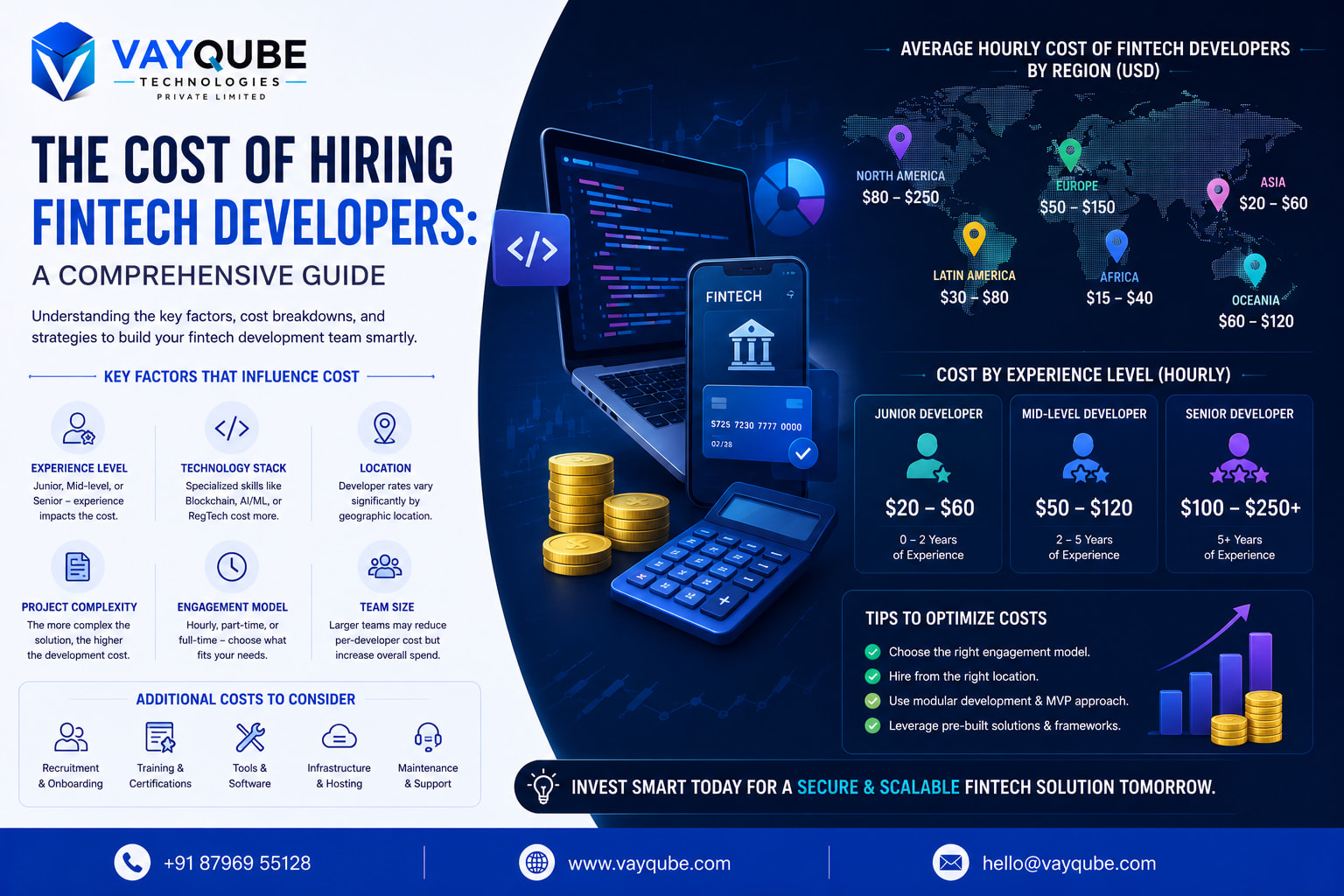
- What are the average salaries and benefits for fintech developers, and how do they vary by location and experience?
- How can I ensure that my fintech development team is diverse and inclusive, and what are the benefits of a diverse team?
- What are the most effective ways to train and support fintech developers, and how can I ensure that they have the resources they need to succeed?
Additional Resources
For further information and guidance on hiring fintech developers, there are many additional resources available, including:
- Industry reports and research studies on fintech development trends and best practices
- Online communities and forums for fintech developers and hiring managers
- Professional associations and networking groups for fintech professionals
- Training and certification programs for fintech developers, such as those offered by the Financial Planning Association or the CFA Institute
- Recruitment agencies and staffing firms that specialize in fintech development talent
Real-World Examples
Real-world examples of successful fintech development teams and hiring strategies can be found in companies such as:
- Stripe, which has built a large and diverse team of fintech developers to support its payment processing platform
- PayPal, which has developed a range of fintech products and services, including mobile payments and online lending
- Square, which has built a team of fintech developers to support its point-of-sale and payment processing systems These companies and others like them have demonstrated the importance of hiring and retaining top fintech development talent, and have developed innovative strategies for attracting and supporting fintech developers.
Production Considerations
When hiring fintech developers, it's also important to consider production readiness and the ability to deploy and maintain fintech products and services in a live production environment. This includes:
- Ensuring that fintech developers have experience with agile development methodologies and DevOps practices
- Providing training and support on production-ready technologies and tools, such as containerization and orchestration
- Implementing robust testing and quality assurance processes to ensure that fintech products and services meet high standards for reliability and performance
- Developing strategies for monitoring and analyzing fintech product and service performance in production, and for responding quickly to issues and outages.
Conclusion
The cost of hiring fintech developers can be a significant investment for businesses, but it is crucial to consider the long-term benefits and potential return on investment.
In summary, the key takeaways from this guide include understanding the core architecture of fintech systems, the business benefits of implementing scalable solutions, and the importance of overcoming implementation challenges.
Some of the key points to remember are:
- The cost of hiring fintech developers can range from $100,000 to over $200,000 per year, depending on the location, experience, and technology stack.
- A well-structured fintech team can help businesses navigate complex regulatory requirements, ensure security and compliance, and drive innovation.
- Scalability is critical in fintech, and businesses should prioritize hiring developers who can design and implement systems that can handle high volumes of transactions and data.
- Real-world examples of successful fintech implementations include mobile payment systems, digital wallets, and robo-advisory platforms.
Final Thoughts
Hiring skilled fintech developers is essential for businesses that want to stay competitive in the financial technology industry. These professionals can help companies navigate the complex landscape of fintech, ensure regulatory compliance, and drive innovation.
By prioritizing the hiring of skilled fintech developers, businesses can ensure that their systems are secure, scalable, and meet the evolving needs of their customers.
Call to Action
For businesses, the key takeaway is to prioritize the hiring of skilled fintech developers who can help drive innovation and growth. This may involve investing in training and development programs, offering competitive salaries and benefits, and creating a positive and inclusive work culture.
For developers, the message is clear: acquiring skills in fintech can open up a wide range of career opportunities and provide a competitive edge in the job market. By staying up-to-date with the latest trends and technologies in fintech, developers can position themselves for success and help shape the future of the financial technology industry.
Some potential next steps for businesses and developers include:
- Researching and exploring new technologies and trends in fintech
- Networking with other professionals in the industry
- Pursuing ongoing education and training to stay ahead of the curve
- Collaborating on projects and initiatives that drive innovation and growth in fintech.
Related Vayqube Resources
- How To Build Fintech Application Payments Security Scaling
- Startups Building Ai Products Without Large Teams
- Best Fintech Software Development Company In New York
- Why Most Ai Projects Fail Before Production
- Best Mobile App Development Company In New York
- Top Fintech Software Development Company In New York
Next Step
If your systems are struggling with scalability, automation, architecture complexity, or operational efficiency, it's time to modernize your infrastructure and workflows.
👉 Talk to a Vayqube solution architect and build systems designed for long-term production growth: